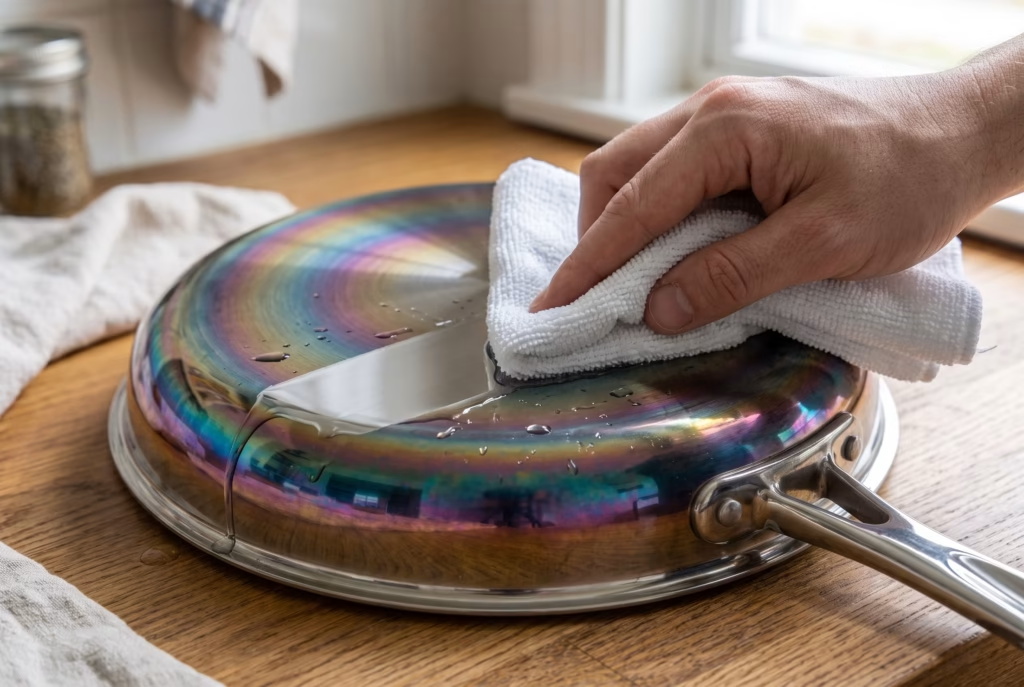
Discovering how to remove rainbow stains from stainless steel cookware is easier than it looks, requiring no harsh abrasives or heavy elbow grease. That strange, iridescent shimmer across your pan is completely harmless and reversible with basic kitchen acids.
In our kitchen testing, scrubbing rainbow discoloration with regular dish soap never works because the tint is not grease or food residue. Once you apply mild food-safe acids, the reaction takes less than two minutes to return your skillet to a clean mirror finish.
Whether your skillet turned deep purple after searing a steak or developed golden halos from an electric burner, these tested methods solve the problem instantly.
Table of Contents
Why Stainless Steel Pans Turn Rainbow Colors
The shimmering blue, violet, and bronze spectrum on your pan is known in metallurgy as “heat tint.” It occurs when stainless steel is subjected to high cooking temperatures, accelerating the natural interaction between chromium and atmospheric oxygen.
Stainless steel contains roughly 16% to 18% chromium. When exposed to oxygen, it forms a microscopically thin protective shield called a passivation layer, which prevents your cookware from rusting.
High heat causes this chromium oxide barrier to thicken unevenly. When light hits this variable surface, light waves reflect off both the upper oxide surface and the metal underneath, producing thin-film optical interference. Your pan has not changed color permanently; light is simply playing tricks on your eyes.
If your cookware suffers from severe scorch marks alongside heat tint, see our complete guide on how to clean burnt stainless steel to safely strip baked-on carbon crusts first.
3 Proven Ways to Remove Rainbow Stains from Stainless Steel
Pick the solution that best matches the severity of discoloration and the ingredients currently inside your pantry.
Method 1: The Diluted White Vinegar Flash Wipe
Standard distilled white vinegar (5% acetic acid) provides the fastest, non-abrasive method to dissolve minor to moderate heat tint and remove rainbow stains from stainless steel.
Pour two tablespoons of white vinegar directly into the center of a dry, cooled pan. Take a soft microfiber cloth or paper towel and wipe the acid across the iridescent zones using gentle circular motions. The rainbow bands generally disappear upon contact as the acid neutralizes excess oxidation.
Rinse the pan with warm tap water to wash away residual acidity, then dry it immediately with a lint-free towel to prevent hard water spots.
Method 2: The Fresh Lemon Juice and Warm Water Soak
For widespread, mottled discoloration across the cooking base and sidewalls, natural citric acid provides effective results with a fresh kitchen aroma.
Cut a fresh lemon in half and rub the cut face directly over the discolored sections, squeezing gently to release natural juices. For stubborn tint, let the juice sit undisturbed on the metal for 3 to 5 minutes so the citric acid can break down the surface oxide layers.
Wipe the surface with a soft sponge, rinse thoroughly under running water, and dry completely. Citric acid safely balances the metal without pitting the underlying steel.
Method 3: The Oxalic Acid Polish (Bar Keepers Friend)
When extreme dry heat creates deep bronze or purple discoloration that vinegar cannot lift on contact, oxalic acid powder is the industry gold standard.
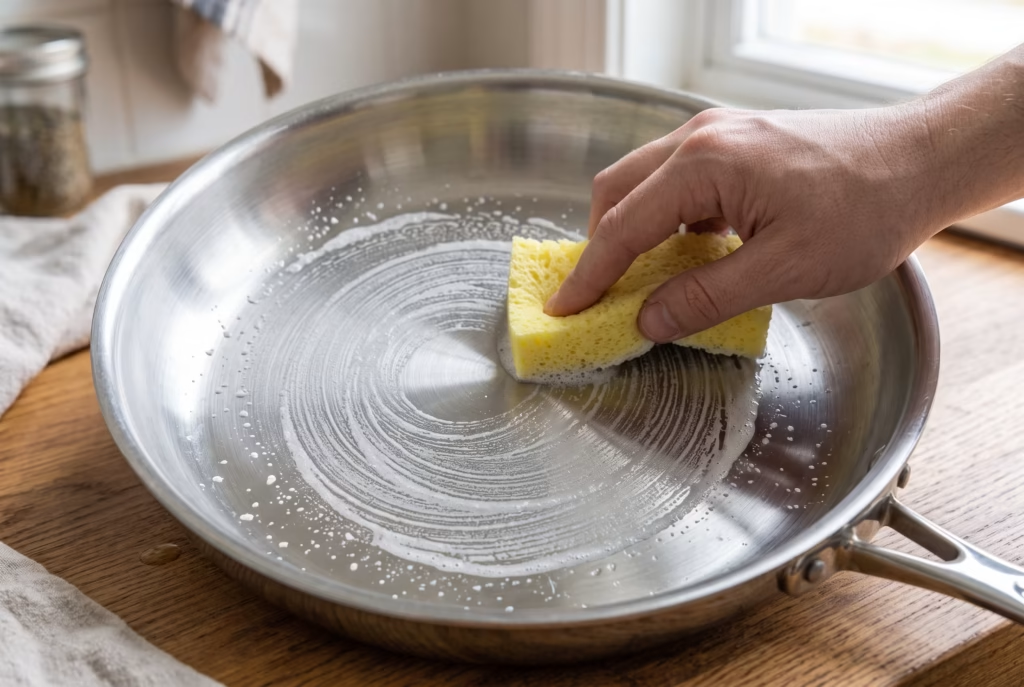
Dampen the pan with warm water and sprinkle a light dusting of oxalic acid cleaning powder across the interior. Use a wet, non-scratch sponge to work the powder into a smooth, watery paste, rubbing strictly with the direction of the metal’s brush grain to successfully remove rainbow stains from stainless steel.
Limit contact time to under two minutes to protect the factory polish. Rinse thoroughly with warm water and dry with a soft cloth to unveil a factory-fresh finish.
Heat Tint Removal Methods Compared
| Treatment Method | Active Ingredient | Working Reaction Time | Discoloration Severity | Best Applied To |
| White Distilled Vinegar | 5% Acetic Acid | 30 to 60 Seconds | Mild to Moderate | Routine weekly touch-ups |
| Fresh Lemon Juice | Citric Acid | 3 to 5 Minutes | Mild Halos | Light cosmetic rainbow tint |
| Bar Keepers Friend | Oxalic Acid | 1 to 2 Minutes | Severe / Deep Bronze | Heavy heat tint with mineral film |
| Baking Soda Slurry | Sodium Bicarbonate | 5 Minutes | Surface Residue Only | Light mechanical lift (slowest) |
How to Prevent Rainbow Discoloration on Stainless Cookware
You do not have to battle heat tint after every meal. Adjusting daily burner management keeps your cookware pristine:
- Avoid Preheating Dry Pans on High: Stainless steel transfers thermal energy efficiently; heating empty pans over maximum flame accelerates chromium oxidation rapidly. Preheat over medium-low heat for 2 to 3 minutes instead.
- Rely on the Leidenfrost Test: Check pan readiness by tossing in a few droplets of water. If they bead together and glide effortlessly across the metal floor, optimal searing heat is reached without stressing the steel structure.
- Add Cooking Fats After Heating: Adding cold oils to a preheated skillet creates an immediate thermal barrier, preventing direct atmospheric oxidation on bare metal.
- Never Shock Hot Pans Under Cold Water: Plunging hot metal into cold water causes sudden thermal shock, which warps the clad base and permanently traps discolored stress marks.
To explore our complete lineup of kitchen care frameworks, visit the Majestic Plate homepage.
Frequently Asked Questions
Is it dangerous to cook food in a pan with rainbow stains?
No, cooking in a pan with rainbow stains is completely safe and non-toxic. The rainbow effect is merely a visible optical variance caused by a thicker layer of oxidized chromium, which is an inherent, food-safe component of all surgical-grade stainless cookware. It will not leach into meals, alter cooking flavors, or compromise food hygiene in any way.
Why does regular dish soap fail to remove rainbow stains from stainless steel?
Dish soap is formulated with alkaline surfactants designed to bind with organic fats, cooking grease, and food proteins. Rainbow tint is an inorganic metal oxide film resulting from heat, not an oil residue. Because soap lacks the acidity needed to dissolve this oxidized barrier, it slides right over the tint without altering it.
Can baking soda alone take away heat tint from pans?
Baking soda has mild alkaline abrasive qualities, making it helpful for lifting burned carbon, but it is relatively ineffective against chemical heat tint. Dissolving chromium oxidation requires an acid (like vinegar or lemon juice) rather than a mild base. For best results, use white vinegar to lift the color and save baking soda for scouring greasy food residue.
Will steel wool remove rainbow stains faster?
Never use steel wool or harsh metallic scouring pads to remove rainbow stains from stainless steel. Steel wool leaves microscopic gouges on the polished metal floor, dulling the satin finish and creating grooves where cooking oils permanently burn. Mild liquid acids eliminate the discoloration chemically in seconds without scratching the pan.