Table of Contents
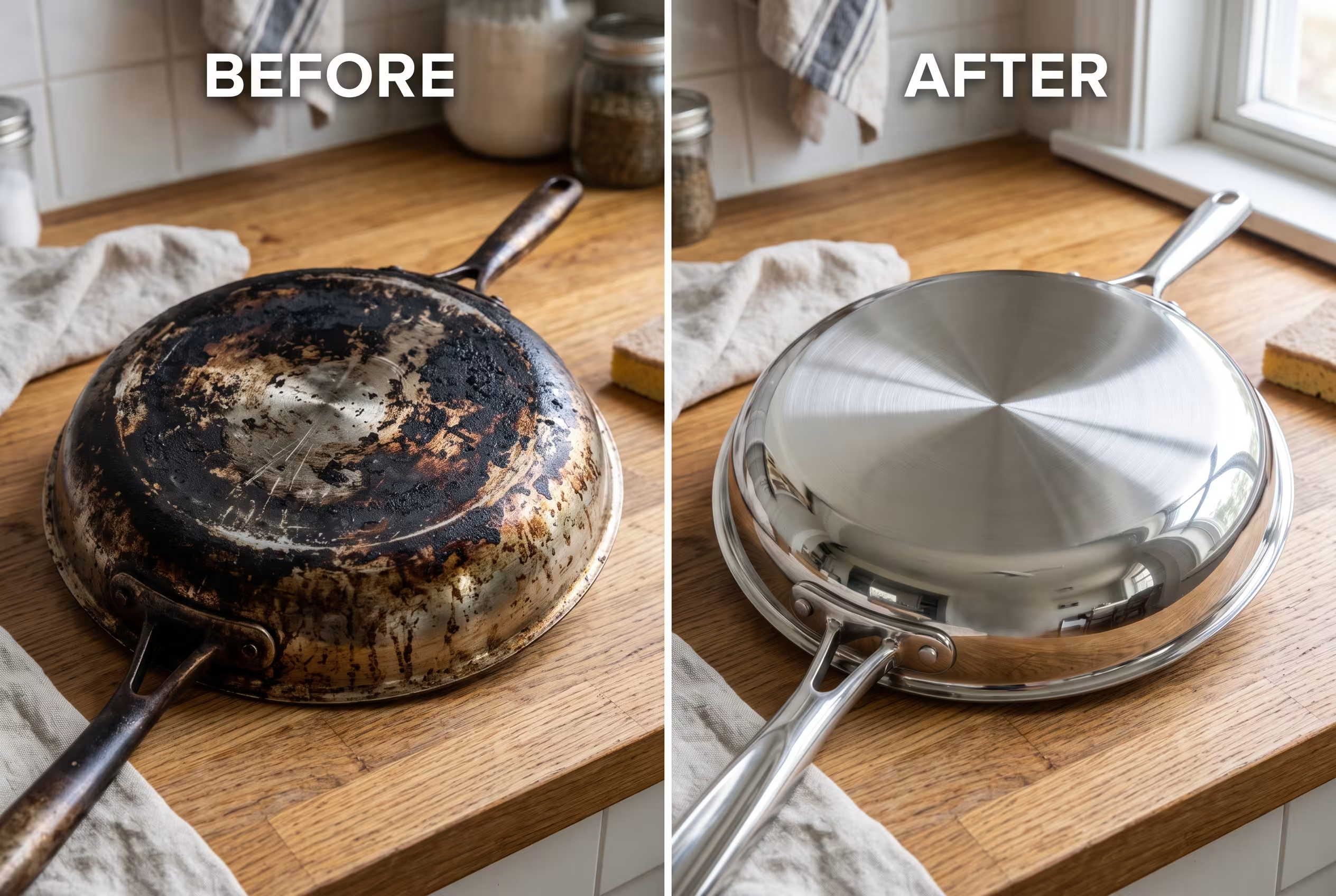
Mastering how to clean burnt stainless steel cookware is an essential skill for anyone aiming to maintain a pristine, high-performing kitchen. Stainless steel is renowned for superior heat conductivity and durability, but high-heat cooking can occasionally result in stubborn, carbonized scorch marks.
Using harsh steel wool or abrasive wire brushes destroys the factory polish and creates microscopic abrasions that cause food to stick permanently. Restoring cookware requires controlled chemical lifting and mild alkalinity rather than brute scouring force.
Why Food Burns and Adheres to Stainless Steel
Under high-power magnification, stainless steel surfaces are not completely smooth; they feature microscopic peaks and valleys.
When cookware is heated improperly or food is introduced without sufficient fat, proteins and starches settle into these pores. Heat polymerizes these food compounds, turning them into a stubborn black crust that adheres tightly to the metal alloy. Understanding basic alloy metallurgy on Wikipedia helps clarify why non-reactive metals require targeted thermal and chemical cleaning rather than surface abrasion.
How to Clean Burnt Stainless Steel: Step-by-Step Methods
Here are the 3 safest, non-damaging cleaning methods tested for light, medium, and heavily carbonized stainless steel cookware.
Method 1: The Boiling Water and Baking Soda Thermal Lift
When learning how to clean burnt stainless steel, this approach works best for general scorch marks, burnt rice, and caramelized pan sauces stuck across the entire cooking surface.
Supplies Needed:
- 3 cups tap water
- 2 tablespoons baking soda (sodium bicarbonate)
- Flat wooden spatula
- Non-scratch sponge
Step-by-Step Instructions:
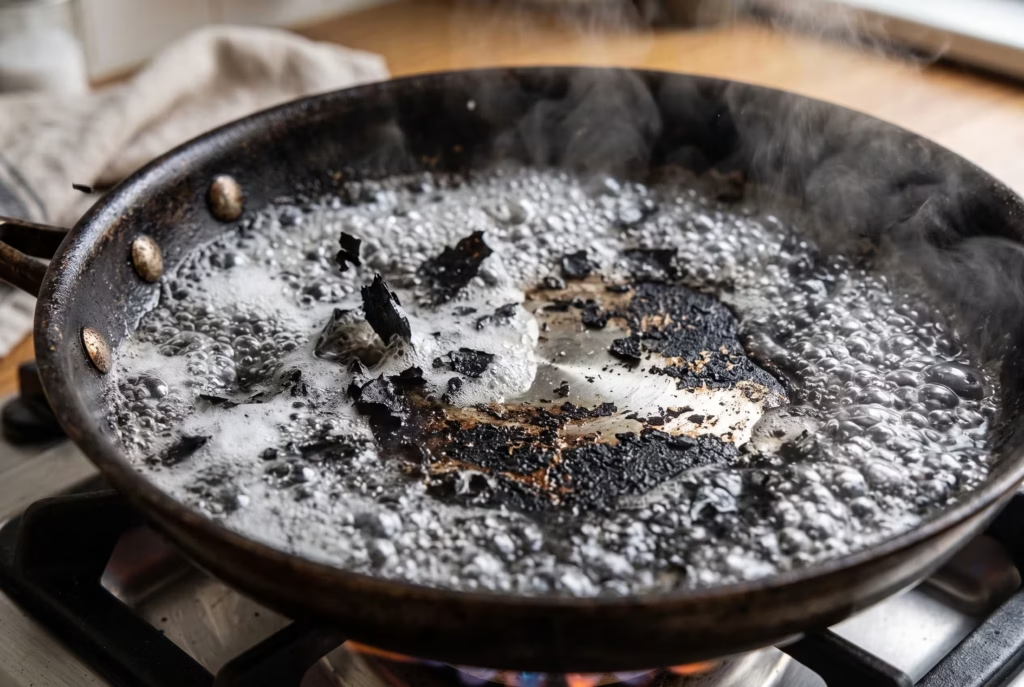
- Fill the Pan: Pour water directly into the scorched pan until all burnt residue is submerged by at least one inch.
- Bring to a Boil: Place the pan on the stovetop over medium-high heat and bring the water to a rolling boil.
- Add Baking Soda: Reduce heat to medium-low. Add the baking soda slowly to prevent aggressive foaming over the edges.
- Simmer and Scrape: Let the solution simmer for 10 minutes. While it simmers, use your wooden spatula to gently scrape the bottom. The thermal agitation paired with the alkaline water will loosen large charred sheets.
- Cool and Rinse: Pour out the hot liquid, let the pan cool down to room temperature, and wipe clean with dish soap and warm water.
Method 2: The Vinegar and Baking Soda Effervescent Soak
For deep, stubborn black marks, another reliable method for how to clean burnt stainless steel uses the natural acidity of distilled white vinegar.
Supplies Needed:
- 1 cup distilled white vinegar
- 1 cup water
- 2 tablespoons baking soda
- Non-scratch scouring pad
Step-by-Step Instructions:
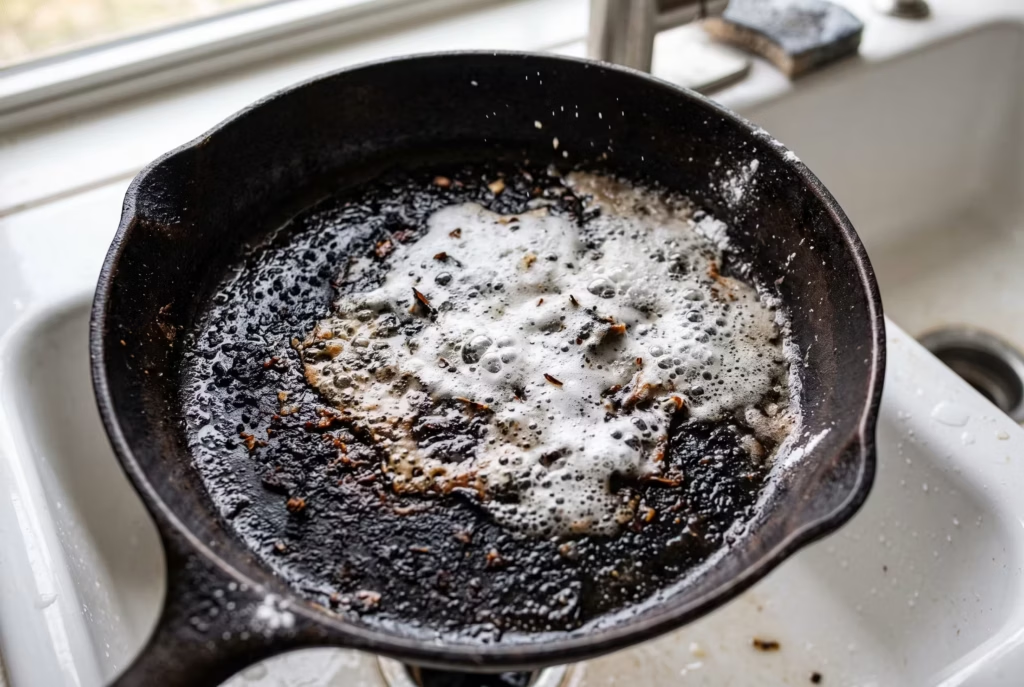
- Acidic Simmer: Pour equal parts water and white vinegar into your pan. Simmer gently on low heat for 5 minutes.
- Remove and React: Take the pan off the burner and place it directly into an empty sink. Sprinkle 2 tablespoons of baking soda into the warm mixture. The solution will foam vigorously.
- Rest: Allow the foaming mixture to work untouched for 25 to 30 minutes.
- Wipe Clean: Discard the fluid and scrub the softened residue with a non-scratch pad. The burnt crust will release without aggressive pressure.
Method 3: The Baking Soda Direct Buffing Paste
If you need to know how to clean burnt stainless steel on exterior walls or handles, a concentrated baking soda paste provides direct spot treatment.
Step-by-Step Instructions:
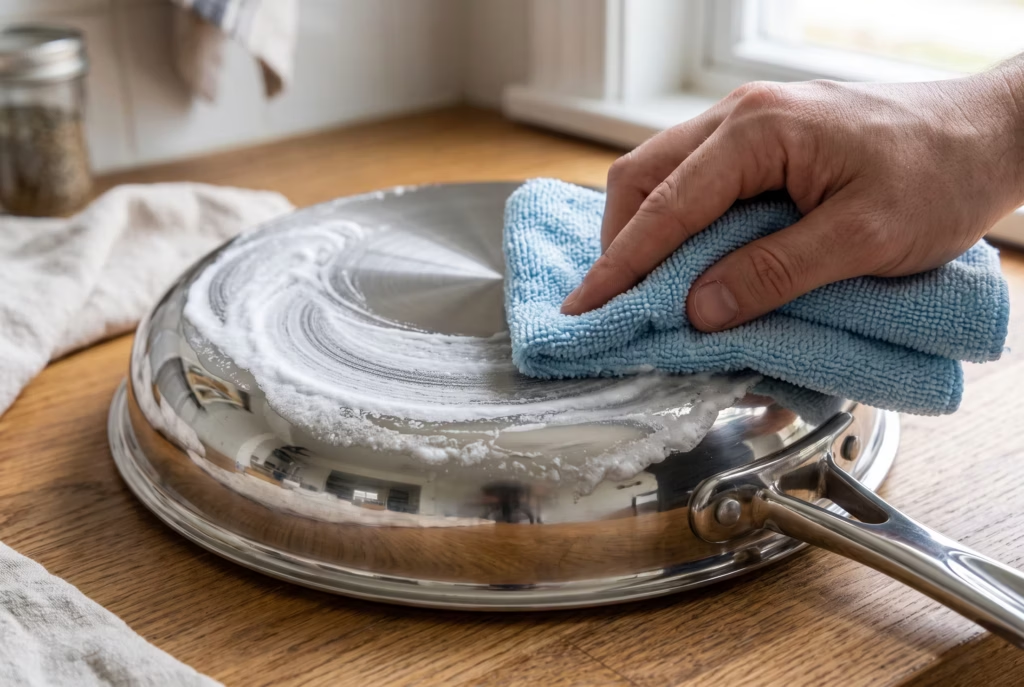
- Mix the Paste: Combine 3 tablespoons of baking soda with just enough water to form a dense paste similar to toothpaste.
- Spread: Apply the paste directly across the scorched exterior or discolored spots.
- Rest: Leave the paste on the dry surface for 15 minutes.
- Buff Along the Grain: Take a damp microfiber cloth and buff the surface using circular motions. Always work along the visible metal grain to preserve the brushed finish.
- Dry Thoroughly: Rinse with clean water and dry immediately with a lint-free tea towel to prevent mineral water spots.
3 Critical Mistakes That Ruin Stainless Cookware
When learning how to clean burnt stainless steel, avoid these common household errors to protect your cookware’s surface integrity:
- Using Steel Wool: Metal scouring pads cut deep grooves into the steel, ruining heat retention and causing future food to stick permanently.
- Chlorine Bleach Cleaners: Bleach corrodes chromium oxide—the invisible shield preventing stainless steel from rusting—causing irreversible pitting.
- Thermal Shock: Submerging a scalding-hot pan straight into cold sink water causes warped pan bottoms, making even heating impossible on flat cooktops.
How to Prevent Burnt Residue on Stainless Steel
- The Leidenfrost Water Test: The best long-term alternative to figuring out how to clean burnt stainless steel is preventing sticking altogether with the Leidenfrost water test.
- Add Fat to a Hot Pan: Always add cooking oil after the pan is heated, letting the oil shimmer for 15 to 20 seconds before adding food.
- Avoid Cold Food: Placing cold meat straight from the refrigerator drops pan temperature rapidly, causing proteins to bond instantly to the pores.
For more kitchen care routines and cookware maintenance guides, visit our https://majesticplate.com/about-us/ page to explore our home culinary standards.
Knowing how to clean burnt stainless steel properly keeps your cookware shining for years.
Cookware Cleaning Quick Reference
| Burn Severity | Best Cleaning Method | Active Agents | Sit Time |
|---|---|---|---|
| Light Food Sticking | Boiling Water + Wood Scraper | Dish soap & boiling water | 5–10 Minutes |
| Medium Surface Burns | Thermal Alkali Lift | Water + Baking Soda | 10 Minutes |
| Heavy Carbonized Scorch | Effervescent Acid Soak | White Vinegar + Baking Soda | 30 Minutes |
| Exterior Rainbow Tints | Direct Spot Buffing | Baking Soda Water Paste | 15 Minutes |
Frequently Asked Questions
Can I use Bar Keepers Friend on stainless steel?
Yes. Mineral and oxalic acid cleaners like Bar Keepers Friend are safe and effective for stainless cookware when used with a damp, non-scratch sponge and light circular pressure.
Why does food continue to stick to my pan?
Food sticking usually happens when cold ingredients hit a pan before it reaches the proper cooking temperature, or when cooking oil is not allowed to shimmer before adding proteins.
Does boiling baking soda damage stainless steel?
No. Baking soda is a mild alkali with low abrasiveness, making it one of the safest home remedies to break down stubborn charred residues without harming the underlying alloy.